
Stepping into the kitchen for the first time can feel like a high-stakes science experiment. You’ve bought a beautiful piece of steak or a fresh chicken breast, you’ve followed a recipe online, but somehow the result is either a dry, chewy mess or scarier yet, pink and cold in the middle.
If you’re a beginner cook, you’re likely balancing a busy schedule with the desire to eat healthier and tastier meals at home. However, cooking meat perfectly is one of the hardest skills to master because you can’t see what’s happening inside the fibers of the protein. In this guide, we will break down the most common mistakes beginners make when cooking meat and provide simple, actionable solutions to turn you into a home-chef pro.
Why Beginners Struggle
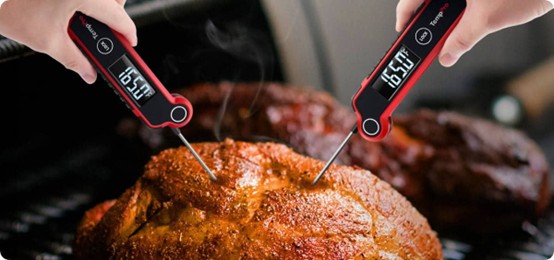
A lot of beginner cooks are trying to do everything at once. Maybe you are making dinner after work, helping kids with homework, or trying to prepare a meal fast before everyone gets hungry. In that kind of setting, it is normal to rush, forget details, or take shortcuts.
Meat is one of the easiest things to get wrong because it changes quickly as it cooks. Chicken can go from undercooked to overcooked in a short time, and steak can lose its juiciness if you leave it on the heat too long. That is why beginners often need a clear, simple way to know when the meat is actually done.
Mistake 1: Relying on Guesswork
One of the biggest beginner mistakes is guessing whether meat is cooked just by looking at it. Color alone is not enough to tell you if meat has reached a safe internal temperature. A chicken breast may look done on the outside while still being unsafe inside.
This creates two problems. First, undercooked meat can be a health risk. Second, overcooking makes the meat dry and tough. An instant-read meat thermometer removes the guesswork and gives beginners confidence every time they cook.
Mistake 2: Following Time Only
Many new cooks assume that if a recipe says “cook for 20 minutes,” the meat will automatically be ready in 20 minutes. In real life, cooking time changes depending on the thickness of the meat, the starting temperature, the pan, the oven, and even how crowded the pan is. That means recipe time is only a rough guide.
For example, two chicken breasts may look similar but cook at different speeds if one is thicker than the other. A food thermometer helps you check the real temperature instead of trusting the clock alone. This is especially helpful for beginners who are still learning how heat works in the kitchen.
Mistake 3: Cutting Meat Too Early
Many beginners cut into meat to “check” whether it is done. This usually releases the juices, which makes the meat drier. It also does not always solve the problem, because slicing too early can still leave you unsure whether the center is fully cooked.
A better habit is to use a food thermometer and test the thickest part of the meat. That way, you do not damage the food just to check it. Over time, this simple change helps beginners cook better-looking and better-tasting meat.
Mistake 4: Cooking Meat Straight From the Fridge
Another common mistake is putting cold meat directly into the pan or oven. When the meat is too cold, the outside may cook much faster than the inside. That can lead to uneven results, especially with thicker cuts.
For beginners, it is easier to plan ahead and let meat sit out for a short time before cooking, following basic food safety rules. This helps the meat cook more evenly and gives you a better final texture. Even then, an instant-read cooking thermometer is still important because appearance alone cannot confirm doneness.
Mistake 5: Using the Wrong Heat
Beginners often cook meat over heat that is too high or too low. If the heat is too high, the outside burns before the inside cooks through. If the heat is too low, the meat may dry out or become gray and bland instead of getting a nice sear.
This is a very common frustration for new cooks. You want the food to look good, smell good, and taste good, but the heat level changes everything. An instant-read meat thermometer helps you focus on the one thing that really matters: the internal temperature.
Mistake 6: Overcrowding the Pan
When beginners try to cook too much meat at once, the pan gets crowded. Instead of browning nicely, the meat starts steaming in its own juices. That makes the texture softer and less flavorful.
This is a common issue in busy homes where dinner needs to be fast and efficient. But cooking in smaller batches often gives better results. If you are still learning, it is better to cook fewer pieces well than many pieces poorly.
Mistake 7: Not Knowing Safe Temperatures
Many new cooks do not know that different meats need different internal temperatures. Chicken must reach a higher safe temperature than steak or pork. If you do not know the target temperature, it is easy to make the wrong decision and stop cooking too soon.
This is where an instant-read meat thermometer becomes especially useful. Instead of memorizing every rule at once, you can simply check the temperature and learn as you go. That makes home cooking feel much less stressful.
How an Instant-Read Meat Thermometer Helps
An instant-read meat thermometer is one of the easiest tools a beginner can use. It gives fast, accurate feedback so you know exactly when the meat is ready. Instead of cutting, guessing, or hoping for the best, you get a clear number.
This helps in three big ways. First, it improves food safety. Second, it helps the meat stay juicy and tender. Third, it builds confidence, which is important for beginners who are still learning basic kitchen skills.
TempPro TP620: A Good Fit for New Cooks
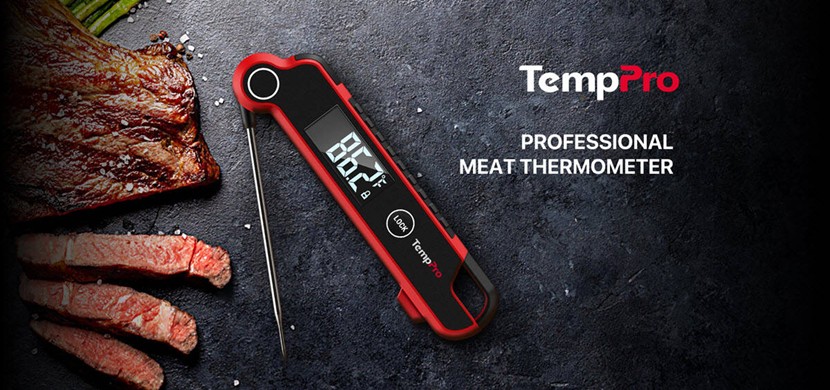
The TempPro TP620 Instant-Read meat Thermometer is a strong choice for beginners because it is simple and practical. Its instant-read design makes it easy to check temperature quickly without standing around and waiting. That is useful when you are new to cooking and want less stress, not more.
It is also helpful for people who want a straightforward tool without a complicated setup. Beginners often need something that works right away and does not add more confusion to the kitchen. TempPro TP620 fits that need well because it supports clear, easy cooking decisions.
Simple Habits That Improve Results
Beginners do not need fancy techniques to cook meat well. A few simple habits make a big difference. Use a thermometer, avoid overcrowding the pan, and do not cut into the meat too early. These small changes can improve almost every meal.
It also helps to pay attention to the thickest part of the meat, since that part usually takes the longest to cook. If you build this habit early, you will become more confident over time. Cooking starts to feel less like guessing and more like learning.
Final Thoughts
For beginners, the real goal is not perfection. The real goal is making safe, tasty meals without feeling overwhelmed. Meat cooking mistakes are normal at first, but they become much easier to avoid when you use the right tool.
An instant-read thermometer like the TempPro TP620 can help new cooks turn confusion into confidence. It makes it easier to check doneness, avoid waste, and serve food that tastes better. For anyone just learning how to cook meat at home, that kind of support makes a big difference.
In the end, cooking meat well is about knowing what is happening inside the food, not just what it looks like outside. Once beginners understand that, they can cook with much more confidence and enjoy better results at every meal.