
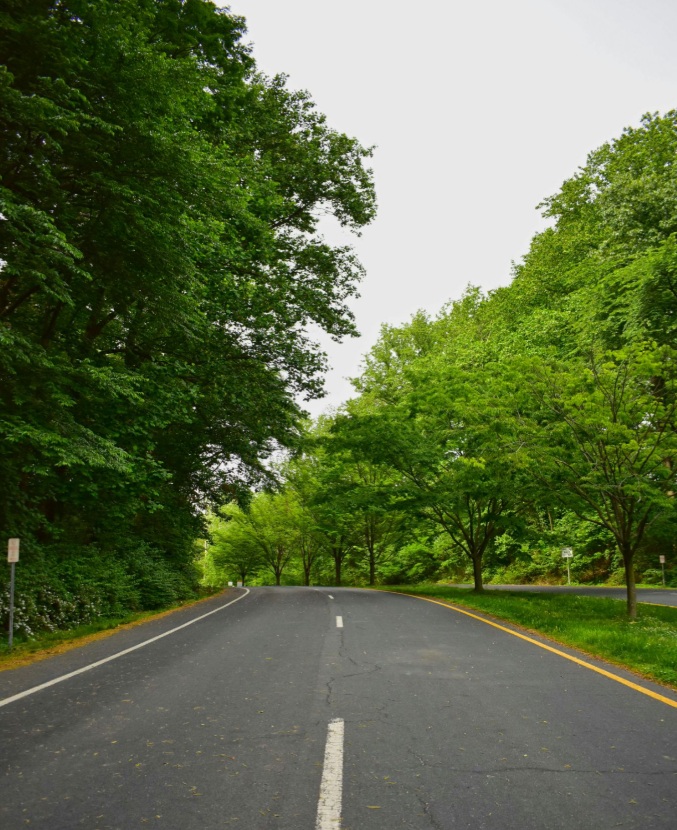
Bethesda, Maryland, consistently ranks among the most desirable places to live in the Washington, D.C. region. If you are planning a move here in 2026, understanding the community, costs, and logistics in advance will make the transition smoother and less stressful.
Bethesda’s Location and Community Overview
Bethesda sits in southern Montgomery County, just northwest of Washington, D.C. It blends urban and suburban living: you will find walkable streets, high-rise apartments, and a dense downtown core, but also quiet residential neighborhoods with tree-lined roads and single-family homes.
With a population of roughly 68,000 residents, Bethesda is known for its highly educated, diverse community. Many residents work in federal government, healthcare, biotech, finance, consulting, or technology, often commuting into D.C. or nearby employment hubs such as the National Institutes of Health (NIH) and Walter Reed National Military Medical Center.
Newcomers typically notice strong civic engagement, active neighborhood associations, and a high emphasis on education and professional achievement. The trade-off for these advantages is a higher cost of living and a very competitive housing market.
The Housing Market in 2026: High Demand, Limited Inventory
Bethesda’s real estate market has long been one of the most competitive in the region, and that trend is expected to persist into 2026. Median home values have hovered around the $1.3M–$1.45M range in recent years, and while exact 2026 figures will depend on broader economic conditions, you can expect prices to remain well above national and even regional averages.
- Home purchases: Multiple-offer situations are common. It is wise to secure mortgage pre-approval, clarify your budget ceiling, and decide in advance how flexible you are on contingencies.
- Rentals: Apartment rents frequently fall in the $2,800–$3,400+ per month range, depending on size, amenities, and proximity to downtown Bethesda or Metro stations.
If you are unfamiliar with the area, working with a local real estate agent who knows specific neighborhoods, such as Woodmont Triangle, Edgemoor, or Wyngate, can give you an edge. They may alert you to listings before they are widely advertised and help you navigate school district boundaries, commute patterns, and zoning nuances.
Cost of Living: Plan for Higher Everyday Expenses
Bethesda’s overall cost of living is roughly 34%–44% higher than the U.S. average. Housing is the most significant driver, but daily expenses also tend to be elevated:
- Groceries and dining: Expect higher prices for both supermarket staples and restaurant meals compared with many U.S. cities.
- Healthcare and services: Access to top-tier medical facilities is excellent, but associated costs can be higher than average.
- Utilities and transportation: These also trend above national norms, though using public transit can offset some commuting expenses.
Many households find that a pre-tax income above $100,000 for a single adult is a more realistic threshold for living comfortably, especially if you plan to rent or buy within Bethesda itself rather than in more distant suburbs.
Quality of Life: Schools, Safety, and Amenities
In exchange for higher costs, residents benefit from a strong quality of life:
- Schools: Bethesda is part of Montgomery County Public Schools, widely regarded as one of the better public school systems in the country. Numerous private and independent schools also serve the area, contributing to sustained demand from families.
- Safety: Overall crime rates are typically lower than national averages, and many neighborhoods feel comfortable walking at night, especially near well-lit commercial corridors.
- Cultural and recreational amenities: Downtown Bethesda offers a dense mix of restaurants, shops, theaters, and galleries. Bike paths, nearby parks, and access to the Capital Crescent Trail make outdoor recreation convenient.
Transportation and Commuting in 2026
Bethesda is well connected for commuters headed into Washington, D.C. or elsewhere in the region:
- Metro: The Red Line’s Bethesda station offers direct access to downtown D.C. and other employment centers. Peak-hour trains can be crowded, so plan for standing-room commutes.
- Purple Line: The under-construction Purple Line light rail is expected to improve east–west connectivity across Montgomery and Prince George’s counties by 2026, making non-car commutes more feasible for many residents.
- Driving: Major routes such as Wisconsin Avenue (MD-355) and the Capital Beltway (I-495) provide road access, but congestion is common at rush hour.
When evaluating housing options, consider not only distance but also access to transit, typical traffic patterns, and the availability of parking if you own a car.
Moving Logistics: How to Prepare for a 2026 Relocation
Because Bethesda’s housing market is tight and move-in timelines can be unpredictable, planning your relocation carefully will help reduce stress.
- Book movers early: Spring and summer remain peak moving seasons. If you want reputable Bethesda movers, reserve several weeks, or even months, ahead, especially if you need a specific date.
- Time your move strategically: If you have flexibility, consider weekday moves or mid-month dates, which are often less busy and may give you more scheduling options.
- Plan for interim solutions: Given the competitiveness of both buying and renting, some newcomers rely on short-term rentals or storage if their long-term housing is not ready on their move-in date. This can be particularly useful when coordinating a home sale in another state with a purchase in Bethesda.
- Declutter before you arrive: With higher housing costs and generally smaller urban-style floor plans near downtown, it pays to downsize belongings before the move so your new space feels comfortable, not cramped.
By understanding Bethesda’s housing dynamics, cost of living, transportation options, and the practical aspects of moving, you can approach a 2026 relocation with realistic expectations and a clear plan. For many residents, the combination of professional opportunity, educational quality, and urban-suburban lifestyle makes the investment worthwhile.