
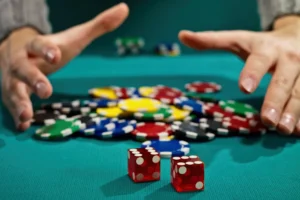
Gambling has been a form of leisure activity for many people; however, for many others gambling becomes an activity that may have crossed from being a leisure activity to an activity which has become significantly more serious. Problem Gambling and/or gambling disorders are now recognized as legitimate mental health conditions that can severely affect one’s financial well-being, interpersonal relationships, career potential and overall physical health. Fortunately there is also hope. Recovery is certainly possible with the proper tools, and support.
What Is Gambling Addiction?
Gambling addiction (referred to by professionals at the American Psychiatric Association as Gambling Disorder) is considered to be a pattern of persistent and recurrent maladaptive (problematic) gambling behavior that results in clinically significant distress or impairment. The DSM-5 changed this definition in 2013 to classify it as a Behavioral Addiction, thereby placing it into the same category as Substance Use Disorders. This classification reflects years of research indicating that compulsive gambling activates the brain’s reward system in almost the exact same way that drugs and alcohol do.
| Level | Description | Key Characteristic |
| Recreational | Occasional gambling with clear limits | Full control over behavior |
| At-Risk | Some negative consequences, no loss of control | Starting to chase losses |
| Problem Gambling | Significant harm across multiple life areas | Continuing despite consequences |
| Gambling Disorder | Clinical diagnosis with 4+ DSM-5 criteria | Loss of control, preoccupation, withdrawal |
Warning Signs of Gambling Addiction
One of the hardest things about gambling addiction is how slowly it can develop. For example, unlike with an alcohol or drug addiction, you will never have “slurring your words” or “track marks”, etc. There are no obvious physical signs of this type of addiction; instead, the signs are usually related to behavior and emotion.
Behavioral Indicators
- Increasing the amount of time and/or money spent on gambling activities.
- Telling lies to others such as family members, friends or employer regarding your participation in gaming activities.
- Continuing to gamble in an attempt to recoup the money you have lost (“chasing losses”).
- Spending money intended for paying bills/rent/other essential items on a gaming experience.
- Borrowing money to pay for your continued gaming habits.
- Renting or borrowing money to cover expenses due to lack of funds caused by gaming.
- Repeated attempts to reduce or quit your gaming activities and being unsuccessful.
Behavioral/Emotional Indicators
- Felt anxious/restless when unable to participate in gaming activities (withdrawal).
- Use gaming as a method to avoid dealing with stress/anxiety/depression/boredom.
- Felt elated/euphoric/disconnected from reality during a gaming session.
- Felt guilty/shameful immediately after participating in gaming and felt compelled to continue gambling.
- Unable to concentrate on anything other than your next gaming session.
Indicators of Gambling Disorder in Those Surrounding You
If you believe that another person may suffer from a gambling disorder, you should consider if they exhibit:
- Due to financial issues resulting from their gambling activities.
- Missed work/school/social events.
- Mood swings based upon winning or losing at gaming.
- People who are struggling with gambling disorders generally do not realize the extent of their problem until long after others (such as family) realize.
The DSM-5 Criteria: How Gambling Disorder Is Diagnosed
The Diagnostic criteria for Gambling Disorder in the DSM-5 are used to officially diagnose Gambling Disorder. The clinician uses the following Four questions that are asked to determine if a patient has experienced any of the behaviors listed below during the past year.
The patient meets the Diagnostic criteria for Gambling Disorder if they experience at least Four of the following:
- Increasing amount of time spent gambling to feel excitement.
- Irritability or restlessness while trying to cut down or stop gambling.
- Trying to cut back or control their gambling behavior and failing repeatedly.
- Being preoccupied with gambling.
- Gambling when experiencing negative emotions such as stress, anxiety, anger etc.
- Returning to gamble after a loss in an attempt to recoup loses (chasing losses).
- Telling lies to family members, friends or other people about how much you gamble.
- Risking or losing a significant relationship, employment opportunity or educational opportunity due to your gambling habits.
- Paying off debts incurred as a result of your gambling by asking relatives or friends for loans.
Severity can be defined by the number of symptoms experienced. Mild severity = 4 – 5 symptoms; moderate severity = 6 – 7 symptoms; severe = 8 – 9 symptoms. It should also be noted that Gambling Disorder cannot be explained by a manic episode.
Who are more likely to develop Gambling Disorder?
|
Risk Factor |
Detail |
| Age | Young adults (18–34) show highest rates; adolescents are particularly vulnerable |
| Gender | Men develop disorder more often; women tend to progress faster once started |
| Mental health | Depression, anxiety, ADHD, and PTSD significantly increase risk |
| Substance use | Alcohol and drug use disorders frequently co-occur with gambling disorder |
| Family history | Genetic predisposition accounts for roughly 50% of disorder risk |
| Easy access |
Proximity to casinos, online gambling access, and sports betting apps all increase exposure |
The Real-World Impact of Problem Gambling
Gambling addiction produces a myriad of effects well beyond the potential economic impact (though the potential financial effect may be extremely damaging). It has been reported by the National Council on Problem Gambling that individuals who seek help due to gambling disorder generally incur an amount of $40,000-$90,000 in unsecured debt; however, this number merely provides insight into one area of concern.
The negative impacts experienced financially from developing a gambling disorder include but are limited to: filing for bankruptcy, being foreclosed upon, depleting your retirement account(s), and facing prosecution/criminal charges stemming from actions taken while attempting to obtain funds for gambling.
In addition to the significant financial harm caused by gambling disorder there exists a considerable likelihood of relationship damage. Most often broken trust, divorce, separation from children, and social withdrawal occur. Those struggling with a gambling disorder typically feel compelled to keep their behavior hidden through dishonesty which leads to the erosion of even the most intimate of relationships.
Individuals experiencing a gambling disorder experience extreme mental health issues. They exhibit a significantly increased prevalence of depression, anxiety disorders, and they are more likely to consider suicide. An estimate indicates that 17-24% of those with a gambling disorder have attempted suicide. This percentage is clearly much higher than the overall population.
Similar to the extreme mental health issues associated with a gambling disorder, physical health is severely impacted. Many experience chronic stress, poor sleeping habits, inadequate dietary intake, and neglect regarding their medical needs. For many, the persistent financial and psychological strain generated by their compulsive need to gamble causes them to develop various stress-related conditions such as high blood pressure, heart disease etc.
Getting Help: Treatment Options in 2026
The main thing to remember is that Gambling Disorder is a treatable disease. There are many documented evidence based treatments; and each one will help some individuals. Most people find it helpful to use multiple treatment methods.
Cognitive Behavioral Therapy (CBT)
CBT has been extensively studied and is the most researched method to date for treating Gambling Disorder. By examining and confronting the false ways of thinking which drive compulsive gambling (“the Gambler’s Fallacy”, “Magical Thinking,” etc.), CBT identifies and develops rational methods for dealing with gambling urges, stress, and other situations that trigger a strong urge to gamble.
Motivational Interviewing
Motivational Interviewing is often used along with CBT, and is a supportive conversation style designed to encourage and motivate individuals to explore their reasons for making changes. This style of interaction is especially useful during the initial stages of treatment when an individual has not made a total commitment to stop gambling.
Medication
There are no medications currently approved by the FDA for treatment of Gambling Disorder in the United States. However, several medications have been tested in controlled studies and appear promising. Specifically, opioid antagonist drugs such as naltrexone are thought to affect the brain’s ability to respond to the pleasurable aspects of gambling, while antidepressant medications may be prescribed if there is also depression or anxiety present. In general, medications are recommended as an adjunct to therapy, rather than as a single treatment modality.
Self-Help and Peer Support
Gamblers Anonymous continues to operate and remain open at no charge using a twelve-step program. Additionally, SMART Recovery uses evidence-based peer support materials and tools. Both groups provide the benefits of a supportive community, accountability, and the opportunity to associate with others who understand your personal struggles.
Residential and Intensive Outpatient Treatment
Individuals who require intensive care or whose home environment prevents them from recovering, residential treatment provides ongoing support. Individuals unable to remove themselves from their job or family responsibilities may choose an IOP which provides structured treatment on specific days during the week.
2026 Recovery Resources: Where to Turn
|
Organization |
Contact / Website |
What They Offer |
| National Problem Gambling Helpline | 1-800-522-4700 (24/7) | Free, confidential phone & chat support |
| NCPG | ncpgambling.org | Treatment referrals, state resources, crisis support |
| Gamblers Anonymous |
gamblersanonymous.org |
Free 12-step meetings, in-person and online |
| SMART Recovery | smartrecovery.org | Science-based peer support, no 12-step model |
| Gam-Anon | gam-anon.org | Support groups for family and loved ones |
| Crisis Text Line | Text HOME to 741741 | 24/7 crisis support via text message |
| SAMHSA Helpline | 1-800-662-4357 |
Mental health & substance use treatment referrals |
How to Help Someone with a Gambling Problem
Seeing a loved one battle with gambling can be emotionally draining. Most likely, confronting that person directly will only lead to arguments and a defensive attitude. This is how you help:
- Pick a time when you are both calm (not right after losing money or having an argument) to tell this person your concerns
- Express your feelings using “I” instead of “you,” e.g., “I have seen…,” and “I am concerned…” etc.
- Do NOT pay off their bills or take on debt because that does nothing but allow the problem to continue.
- Tell this person clearly, lovingly what you will and will not accept.
- Support yourself by finding Gam-Anon, it was developed for family members.
- Beware – recovery from gambling addiction is usually not linear. Relapse is common.
Self-Exclusion and Responsible Gambling Tools
The most important thing to do is be proactive with the tools for responsible gambling provided by your licensed operators (e.g., sportsbooks, casino, sweepstakes) — it’s better than waiting until a problem has developed into something serious.
Here are some examples of what you can use:
- Daily/Weekly/Monthly Deposit Limits — Limit how much money you can put into your account at a time
- Loss Limits — Establish a limit on the total losses allowed in a specific timeframe
- Session Time Limits — Receive an alert or automatically log out after a certain number of minutes/hours have passed
- Reality Checks — Alerts will periodically appear reminding you how many hours/minutes you’ve been playing & how much money you have lost.
- Cool-Off Periods — Temporarily suspend your account from being accessed anywhere between 1-30 days
- Self-Exclusion — Permanently exclude yourself from access to one operator, or restrict access to multiple operators
In addition to taking advantage of the tools offered by individual operators, there are also statewide self-exclusion programs operated in the U.S. where each participating State Gaming Commission provides a statewide exclusion list of individuals who cannot gamble at any regulated gambling location in that state.
What Recovery Actually Looks Like
Recovery from gambling disorder is more than just a single event. Rather, it’s an on-going process. People need to recover their finances, repair damaged relationships, develop healthy ways of dealing with stress, and create a lifestyle that does not center on gambling. This is all very hard to dо and will take time.
Gambling addiction has a high rate of relapsing within the first year. Relapse should be viewed for what it is, not a sign of failure; but rather as an opportunity for learning. The majority of those who eventually reach a place where they can sustain their recovery have experienced a minimum of one relapse during their recovery journey. The most important aspect of relapse is getting back into some form of treatment or support versus viewing the slip as a total excuse to quit altogether.
The overwhelming majority of individuals in successful recovery are able to identify improvements across many areas of their lives such as: financial security, repaired relationships, improved emotional/mental health and a renewed sense of purpose through activities that provide satisfaction and fulfillment (that gambling was unable to). While the road to recovering is very challenging; the end result is well worth the effort.
A Note on Responsible Gambling
If you or someone you know is struggling with gambling, free and confidential help is available 24/7 through the National Problem Gambling Helpline at 1-800-522-4700. You can also chat online at ncpgambling.org. Gambling should always be approached as entertainment. If it stops being fun, it’s time to reach out.