
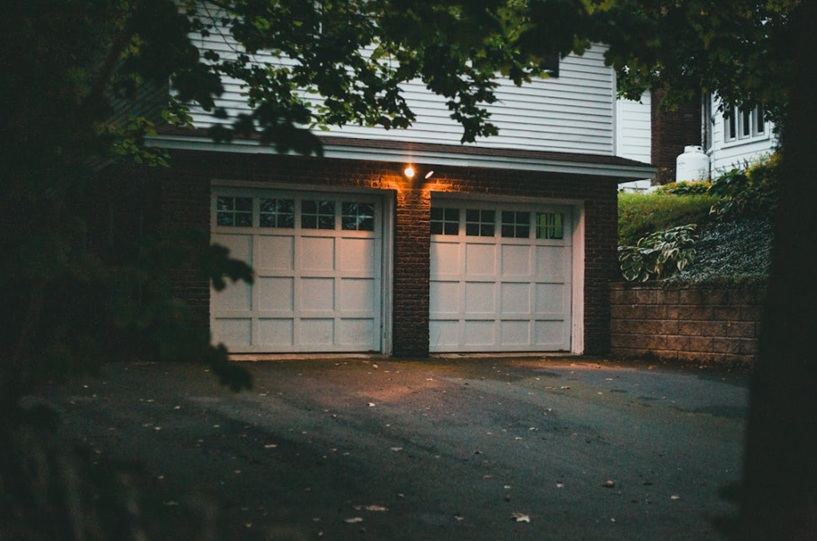
Garage door screens have become increasingly popular for homeowners looking to turn garages into more usable spaces.
Whether used for ventilation, outdoor gatherings, home gyms, or workshops, garage screens offer a way to keep bugs out while allowing fresh air in.
Average Garage Door Screen Cost
In 2026, most garage door screen systems cost between:
- $200–$4,500+
The wide range depends largely on the type of screen installed.
Typical Price Ranges
| Screen Type | Average Installed Cost |
| Manual retractable screen | $200–$800 |
| Sliding garage screen | $300–$1,200 |
| Magnetic or temporary screen | $50–$300 |
| Motorized garage screen | $1,500–$4,500+ |
Custom oversized garages may increase pricing further.
Motorized Garage Door Screens Cost
Motorized garage screens are among the most expensive options because they use powered retractable systems similar to motorized patio screens.
These systems often include:
- Remote controls
- Smartphone integration
- Heavy-duty tracks
- Weather-resistant mesh
- Automatic operation
Average Motorized Screen Pricing
- $1,500–$4,500+
- Large luxury systems may exceed $6,000
Higher-end systems designed for outdoor living spaces often cost more due to commercial-grade components and custom installation.
What Affects Garage Screen Door Cost?
Several factors influence final pricing.
Garage Size
Single-car garages typically cost less than:
- Double-car garages
- RV garages
- Oversized workshop garages
Larger openings require more screen material and stronger support systems.
Screen Material Quality
Higher-quality mesh materials offer:
- Better durability
- Improved airflow
- UV resistance
- Pet resistance
- Better visibility
Heavy-duty screens usually cost more upfront but may last longer.
Manual vs. Motorized Operation
Manual systems are significantly cheaper because they require fewer components.
Motorized systems add costs for:
- Electrical wiring
- Motors
- Smart controls
- Installation labor
Professional Installation
Professional installation may include:
- Framing adjustments
- Track mounting
- Electrical setup
- Screen tension calibration
Complex installations increase labor costs.
Benefits of Garage Door Screens
Many homeowners install garage screens to make garages more functional and comfortable.
Improved Ventilation
Garage screens allow airflow while helping block:
- Mosquitoes
- Flies
- Debris
- Leaves
This is especially useful in warmer climates.
More Usable Space
Garages are increasingly used as:
- Home gyms
- Workshops
- Entertainment areas
- Hobby spaces
Screens help create a more comfortable environment without fully remodeling the garage.
Added Privacy
Some screen systems reduce visibility from outside while still allowing airflow and natural light.
Potential Drawbacks
While garage screens offer many advantages, there are some downsides to consider.
Limited Insulation
Most garage screens are designed for airflow, not insulation.
They generally do not:
- Improve winter energy efficiency
- Fully sealed against the weather
- Replace traditional garage doors
Maintenance Requirements
Garage screens may require occasional:
- Cleaning
- Track adjustments
- Mesh repairs
Motorized systems may also require maintenance for motors and controls.
Weather Exposure
Strong winds or storms can potentially damage lower-quality screen systems if left deployed during severe weather.
Are Motorized Garage Screens Worth It?
For homeowners who use their garage frequently as living or entertainment space, motorized screens may provide excellent convenience and comfort.
They are especially popular for:
- Outdoor entertainment spaces
- Luxury garages
- Home gyms
- Indoor-outdoor living setups
However, for occasional use, a manual retractable screen may provide better overall value at a much lower cost.
Choosing the Best Garage Door Screens for Your Home
When comparing the best garage door screens for your home, homeowners should consider:
- Garage size
- Frequency of use
- Climate
- Durability needs
- Manual vs. motorized operation
- Warranty coverage
Higher-quality systems may cost more initially but often provide better long-term performance and smoother operation.
Conclusion
Garage door screen costs in 2026 vary widely depending on the type of system, materials, and installation requirements.
Most homeowners can expect:
- Basic manual systems start around $200
- Motorized garage door screens ranging from $1,500–$4,500+
Garage screens can improve ventilation, comfort, and usability while turning garages into more functional living spaces.
Choosing the right system depends on budget, convenience preferences, and how often the garage space will be used throughout the year.