
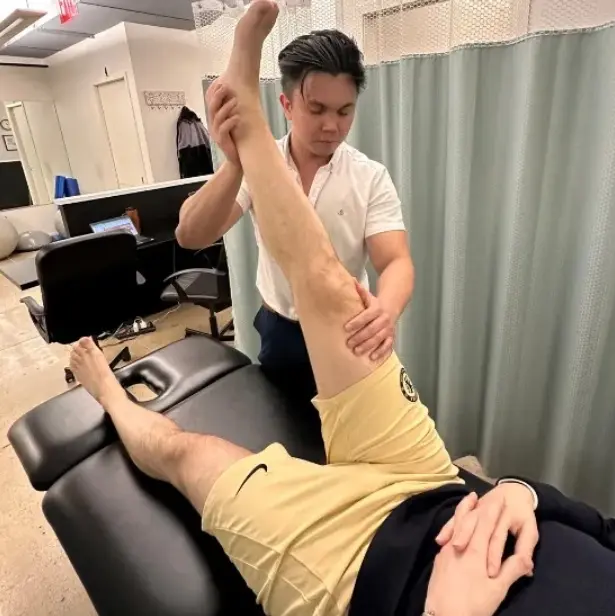
The main benefit of physical therapy is that it helps you move with less pain, less stiffness, and more confidence. It gives you a clear plan to rebuild strength, improve mobility, and return to daily activities safely.
Someone with a sore knee may need pain relief and safer walking. Someone with a chronic condition may need steady support for daily movement. If you are returning to work, you may need to improve your lifting mechanics, posture, and confidence.
Common goals include:
- Less pain during daily tasks
- Improved mobility for walking, stairs, and bending
- Better strength in weak muscles
- Improved balance for safer movement
- Support in preventing future injuries
How Therapy Improves Movement
A good plan starts with assessment. Your therapist looks at how you move, where symptoms appear, and which activities matter most to you. For example, climbing stairs, carrying groceries, returning to sports, or sitting at a desk without pain may all require different exercises.
It is important to have a practical explanation from a local clinician. A physical therapist like Keith Chan can connect your symptoms with the movements you actually need in daily life.
Therapy often supports physical function by training the body in smaller steps. You may first learn safe range of motion, then controlled strengthening, and then task-specific movement. This approach helps you restore function without guessing which exercises are right for your condition.
Types and Treatment Tools
The main types of physical therapy can include active exercises, guided movements, hands-on care, massage, heat, cold, electrical stimulation, ultrasound, and water-based therapy. NCBI explains that treatment may combine exercises, passive movements, and physical-stimulus treatments depending on the problem.
A plan may include:
- Strength exercises to regain strength
- Stretching to reduce stiffness
- Manual therapy for tight joints or soft tissue
- Balance work for safer walking
- Home exercises between visits
The benefits of physical therapy are greater when the plan aligns with your goal. A runner with a tendon injury does not need the same plan as an older adult at risk of falls or a patient recovering from joint replacement surgery.
Benefits After Surgery
The benefits of physical therapy after surgery include safer movement, less stiffness, better range of motion, and a clearer path back to daily tasks. HealthPartners explains that therapy can help improve surgical outcomes and support healing after procedures such as hand, spine, and joint surgery.
This is why rehab after surgery often starts with simple goals. You may learn how to get out of bed, use stairs, protect the surgical area, and walk without unsafe compensation. The post-surgical stage can feel slow, but small gains matter.
A physical therapist may also help you understand which symptoms are expected and which movement patterns need adjustment. This guidance can be useful when you are recovering from surgery and want to avoid pushing too hard too soon.
What Happens in a Session?
A physical therapy session usually includes a check-in, movement testing, guided exercises, hands-on techniques when needed, and updates to your home plan. Cleveland Clinic notes that some people need only a few weeks, while others may need longer care for long-term symptoms.
| During care | Why it matters |
| Therapist-guided movement | Helps you practice safely |
| Home exercise plan | Keeps progress moving between visits |
| Progress checks | Shows when to adjust intensity |
| Education | Helps you avoid habits that worsen symptoms |
Physical therapists also teach practical changes. These may include how to lift, sit, walk, train, or return to exercise without repeating the same movement problem.
Pain, Balance, and Daily Life
Physical therapy can support pain management, chronic pain control, and safer movement during normal routines.
When pain lasts for weeks or months, the body may start avoiding certain movements. This can lead to stiffness, weakness, poor balance, and fear of activity. A physical therapist can help you rebuild movement step by step, so daily tasks feel safer and less limited.
Therapy can also improve balance and coordination. This matters for older adults, people recovering from surgery, athletes returning after injury, and anyone who feels unsteady while walking, climbing stairs, or standing for long periods.
The goal is not only to reduce pain. The goal is to help you move better in real life.
For one person, progress may mean walking 20 minutes without back tightness. For another, it may mean lifting a child, carrying groceries, returning to tennis, or standing through a full workday without needing constant breaks.
When Should You Consider It?
Consider physical therapy when pain limits your routine, movement feels unstable, stiffness does not improve, or you feel weaker after an injury or operation. You may also benefit if you avoid normal activities because you fear symptoms will return.
The right plan should feel clear. You should know what each exercise is for, how often to do it, and what progress should look like. If the plan feels too easy, too hard, or unclear, ask for changes. Good therapy gives you a path, not just a list of exercises.