
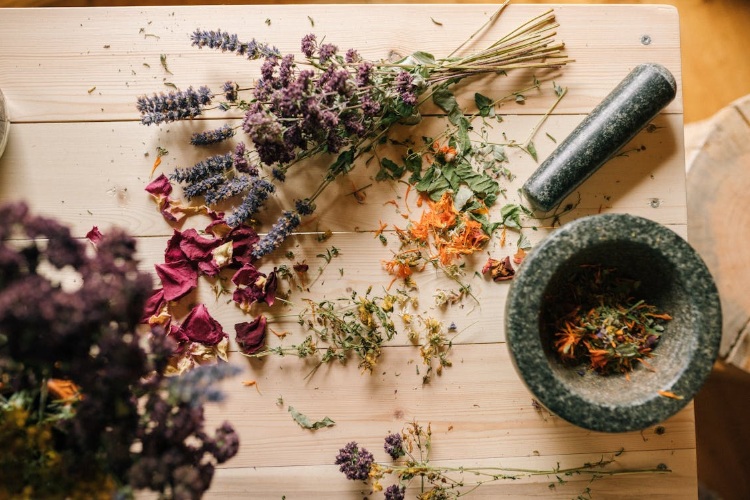
Understanding the Shift Toward Plant-Based Support
In recent years, there has been a noticeable shift in how people approach personal wellness. More individuals are exploring plant-based options as part of their daily routines, seeking alternatives that align with natural lifestyles and holistic thinking.
This growing interest is not limited to one region—it reflects a broader global movement toward botanical awareness and traditional plant use. Consumers are becoming increasingly curious about how different plants have been used historically and how they may fit into modern wellness practices.
A Closer Look at Traditional Botanicals
Many botanical products gaining attention today have roots in centuries-old traditions. Across Southeast Asia, for example, certain plants have long been used in cultural practices, often valued for their unique properties and versatility.
As awareness spreads, people are taking a more informed approach—researching origins, preparation methods, and quality standards before incorporating any botanical into their routine.
The Importance of Sourcing and Transparency
With increased interest comes a growing demand for reliable sourcing. Consumers today are more informed than ever, often looking for:
- Clear product information
- Transparent sourcing practices
- Third-party testing or quality assurance
- Ethical harvesting methods
These factors play a significant role in building trust and ensuring consistency in any botanical product.
Brands like Authentic Kratom focus on maintaining transparency and quality control, which have become essential expectations rather than bonuses.
Education as a Key Factor in Consumer Confidence
As botanical products become more widely discussed, education plays a crucial role in helping individuals make informed decisions. Reliable information allows consumers to:
- Understand traditional uses
- Recognize differences between products
- Avoid misinformation
- Approach new products responsibly
This educational approach also helps reduce stigma and encourages responsible, well-informed exploration.
Navigating a Complex Landscape
It’s important to note that regulations and perceptions of botanical products can vary significantly by location. Consumers are encouraged to stay informed about local guidelines and to ensure they purchase from reputable sources.
The conversation around botanical wellness is still evolving, making it essential for both consumers and brands to prioritise safety, transparency, and responsible use.
Conclusion
The growing interest in botanical wellness reflects a broader desire for natural, informed lifestyle choices. As awareness continues to grow, the focus is shifting toward education, ethical sourcing, and transparency.
For those exploring this space, taking the time to research and choose trusted providers can make all the difference in creating a positive, informed experience.