
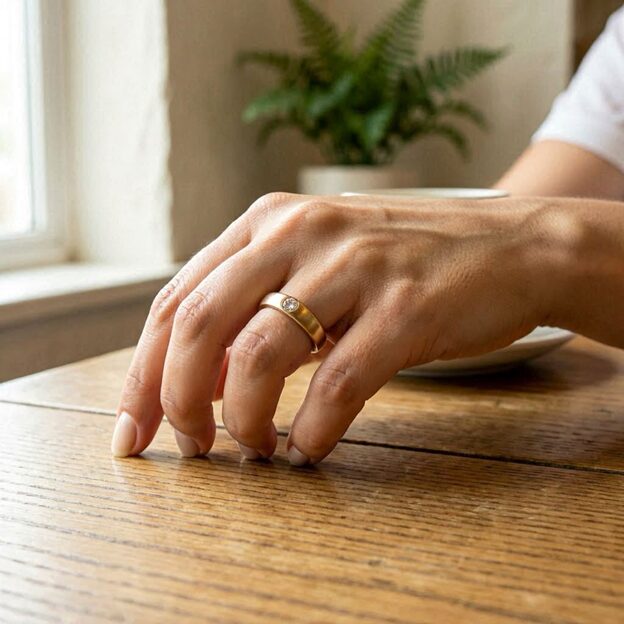
If you use your hands all day, a tall, delicate ring will probably frustrate you. The right setting can mean the difference between loving your ring for decades and constantly taking it off. When your routine includes gloves, tools, kids, or gym equipment, security and comfort matter as much as sparkle.
Below is a practical breakdown of what works and what tends to get in the way.
Why Ring Settings Matter For Active Lifestyles
A ring setting controls how high the stone sits, how exposed its edges are, and how likely it is to snag. For nurses, mechanics, teachers, and parents, those details are not minor.
Many jewelry experts recommend bezel and low-profile settings for medical professionals because they reduce snagging and are easier to clean. If you are constantly washing your hands or pulling on gloves, that lower height and enclosed edge can noticeably improve daily comfort and practicality.
Healthcare manuals also flag hygiene concerns around raised stones that can trap microorganisms. If your job involves close contact or physical work, that concern becomes your concern too.
Low Profile And Flush Settings: The Everyday Workhorses
Low-profile settings hold the stone closer to the finger, lowering the risk of catching on clothing or equipment. Because the ring sits lower against the hand, it moves more naturally with you throughout the day. That small design shift can make a noticeable difference when you are typing, lifting, commuting, or constantly on the go.
Bezel Settings
A bezel wraps a thin rim of metal around the stone’s edge. It protects vulnerable corners and removes exposed prongs.
For nurses, gym-goers, and anyone who grips weights or tools, this design reduces snag risk and simplifies cleaning. Fewer crevices mean less buildup and less maintenance.
Flush And Burnished Designs
Flush settings, often called burnished settings, sink the stone into the metal so it sits level with the surface. The result is a smooth top with almost nothing raised above the band.
For example, burnished engagement rings with round cut bands feature stones set level with the metal, creating a smooth surface. They work well for teachers, parents of toddlers, and anyone sliding hands into pockets or gloves daily.
Comparing Common Settings For Hands On Routines
High-profile solitaires look dramatic, but they require more awareness. They are more likely to catch on sweaters, gym towels, or medical gloves.
Lower settings, bezels, and channels tend to work better for constant movement. These designs protect the stone by reducing exposed edges and minimizing snag points. If your ring regularly bumps into counters, gym equipment, or tools, that extra layer of protection can help prevent chips, loosened stones, and long-term wear issues.
When deciding, think about these real-life factors:
- How often you wear gloves
- Whether you lift weights or grip tools
- How frequently you wash your hands
- If you plan to wear the ring all day or only outside work
Answering those honestly narrows your options quickly.
Security and comfort should guide design decisions
What About Metal And Band Shape
Durability is not just about the setting. Platinum and solid 14k gold are popular for daily wear because they handle friction and moisture well.
Band shape matters too. Comfort-fit interiors reduce pressure when fingers swell during workouts or long shifts. If you love a classic round diamond look but want something streamlined, round cut bands in a lower setting offer sparkle without extra height.
For mechanics or people who work with machinery, even a secure setting may not be enough for every task. Many swap to a silicone band during high-risk activities and switch back afterward.
Choosing Which Ring Settings Suit Active Lifestyles Long Term
The best answer to which ring settings suit active lifestyles is simple: choose security over height. A lower profile, protected edges, and a solid band will age better under daily stress than a tall, delicate design.
You should not have to remove your ring every time you head to work or the gym. If you are unsure which option fits your routine, talk with a jeweler about flush, bezel, or low-profile designs that match how you actually live.
Thoughtful design choices now can help your engagement ring stay beautiful and functional for years to come.